I-Thread Lift — PECHE Clinic, Gangnam Station
A cog thread lift that places dissolvable barbed threads in the fat layer beneath the skin to catch sagging tissue and lift it upward · Face and jawline · Right outside Gangnam Station Exit 4
I-Thread Lift
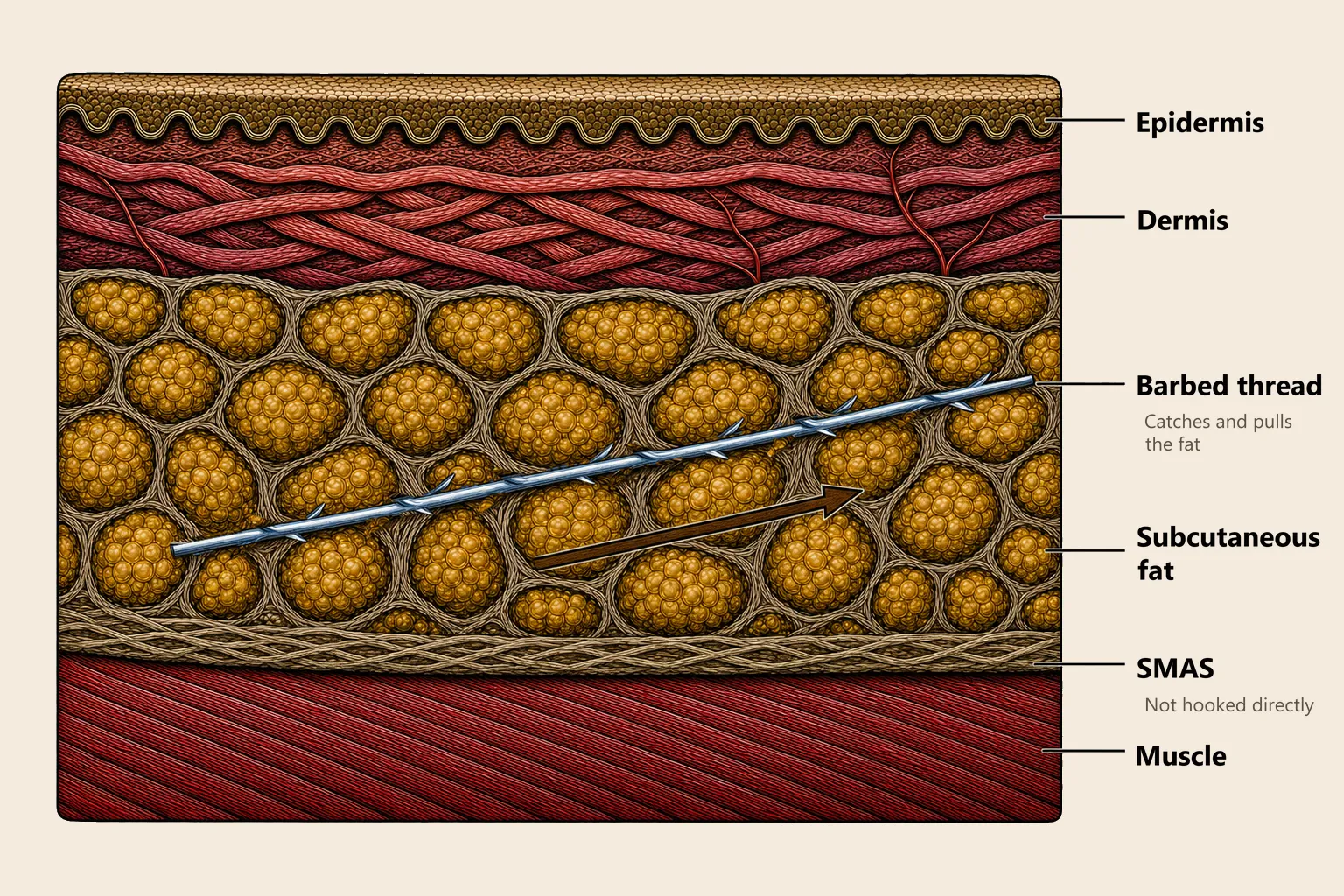
The I-Thread Lift is a cog thread lift: a dissolvable thread with small barbs (cogs) raised along its surface is placed in the fat layer beneath the skin, where the barbs catch tissue that has sagged downward and lift it upward. The thread is made of a medical material long used for dissolvable surgical sutures (stitches that dissolve inside the body after surgery), so over time it breaks down into water and carbon dioxide.
Put simply, the barbs catch sagging tissue and lift it right away, and while the thread dissolves, your own collagen that forms around it provides support for a while.
▲ The thread sits in the middle of the fat layer, and its barbs catch the fat tissue and pull it in the direction of the arrow — it isn't hooked directly into the SMAS (a thin, tough layer that supports the skin and fat so they don't sag)
I-Thread Lift at a Glance
| Item | Details |
|---|---|
| Category | Cog thread lift (a treatment that uses dissolvable barbed threads to lift sagging tissue) |
| Mechanism | The barbs catch sagging tissue, lift it, and hold it in place + your own collagen forms around the thread and supports it |
| Target layer | Subcutaneous fat layer (not hooked directly into the SMAS) |
| Thread | A medical dissolvable thread — broken down in the body into water and carbon dioxide |
| Concerns and areas it suits | A sagging jawline · sagging cheeks that hang below the jawline (jowls) · areas: face and jawline |
| Available options | I-Thread Lift with 1, 4, 6, 8, or 10 threads |
| Numbing | A numbing spray that acts only on the treatment area · no separate numbing wait |
| When results show | The lifted change: from right after treatment · the collagen-supported change: over several weeks to months |
| How long it lasts | Varies with how long the thread material takes to break down and how much collagen forms |
| Recovery | Swelling and bruising for several days to 2 weeks · soreness, throbbing, and a pulling feeling for a few days |
The number in each option is how many threads are placed.
How It Works
1. The thread goes into the fat layer beneath the skin The face is layered in this order: skin → subcutaneous fat → SMAS → muscle. Sagging is driven mainly by fat and soft tissue shifting downward, so the thread is placed in that fat layer to catch the sagging tissue as a whole.
2. It isn't hooked directly into the SMAS, and it isn't placed too shallow either The SMAS is a very thin layer, and blood vessels and the nerves that control facial expression run just beneath it, so hooking and pulling on it directly could injure a nerve. On the other hand, if the thread sits shallow enough to reach the dermis (the main body of the skin, beneath the epidermis), the surface can look uneven or the thread may show through.
3. The barbs catch the tissue and lift it A thin, blunt-tipped tube (cannula) holding the thread is inserted into the fat layer and then withdrawn; the barbs lodge in the surrounding tissue, leaving only the thread behind. When the thread is pulled in the planned direction, the tissue caught on the barbs moves up with it and is held in place there.
4. Your own collagen forms around the thread The body recognizes the thread as a foreign material and responds by surrounding it in a controlled, limited way. Cleanup cells that clear away debris in the body gather around the thread and begin breaking it down, and the signaling substances released at this stage are understood to activate the cells that make collagen, which build a collagen pocket around the thread (a collagen capsule).
Threads do different jobs depending on their shape. Only barbed threads have pulling force.
| Thread shape | What it does |
|---|---|
| Smooth thread without barbs | No pulling force · collagen in the shallow layers (skin texture, elasticity) |
| Twisted or coiled thread | No pulling force · creates bulk for volume |
| Barbed thread (I-Thread Lift) | The barbs grip sagging tissue like hooks and lift it |
Expected Results and Why
| Expected result | Why |
|---|---|
| A sagging jawline and drooping cheeks move upward | The barbs catch the heavy tissue under the skin and lift it |
| The lifted position holds for a while | The collagen capsule formed around the thread supports it |
| Improved elasticity | Collagen forms around the thread |
The effect comes in two overlapping stages. First you see the change from the barbs lifting the tissue, and then a supporting change is gradually added as collagen forms around the thread.
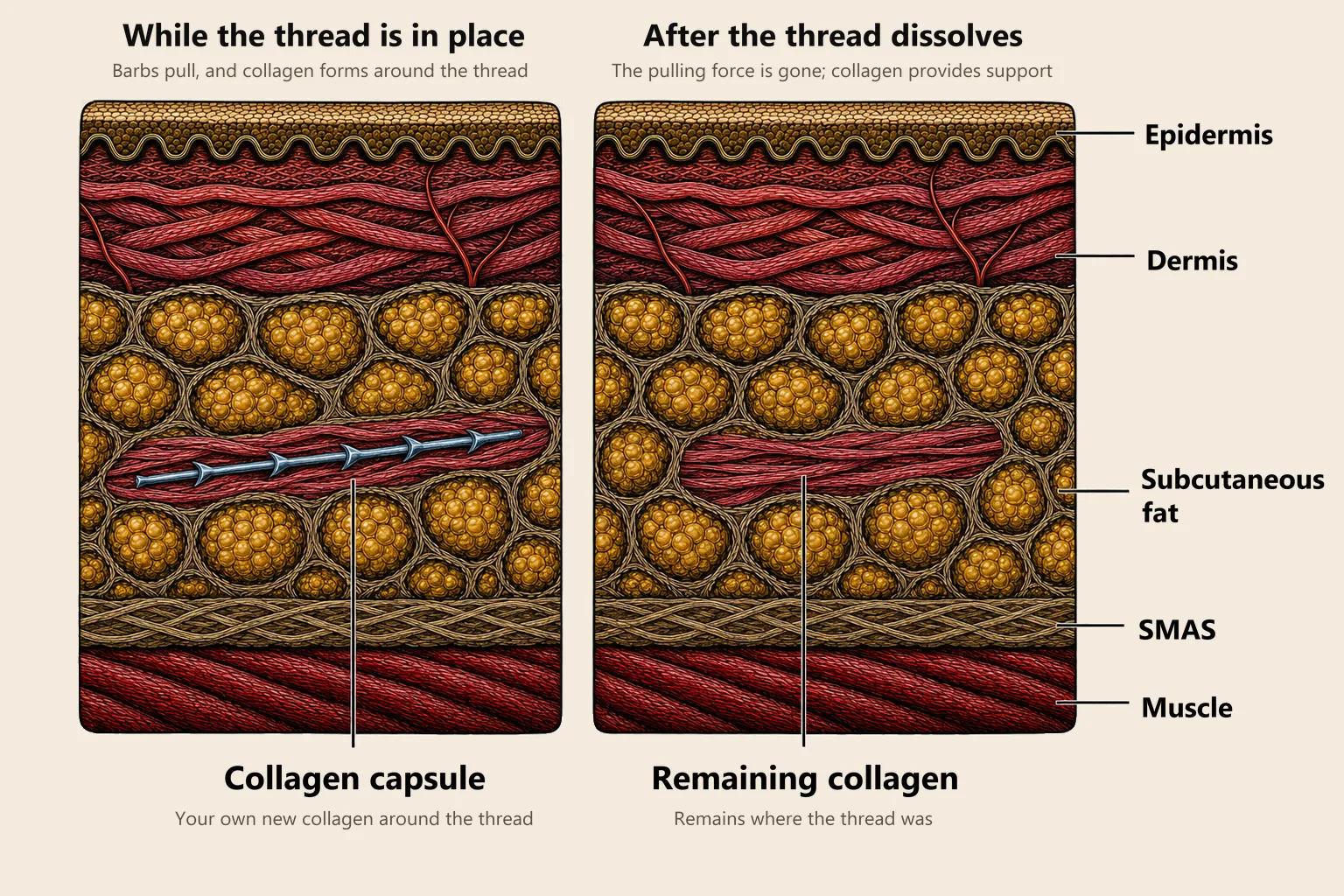
▲ While the thread is in place (left), the barbs pull and collagen forms around it. After the thread dissolves (right), the pulling force is gone and the remaining collagen provides support
How long the thread takes to dissolve: It depends on the thread's material and thickness. PDO (polydioxanone), the material used the longest, is reported in the medical literature to break down over more than 6 months, and surgical sutures made of the same material are labeled as being fully absorbed in about 6–8 months (lifting threads can also vary with their form and how they are made). PLLA (poly-L-lactic acid) and PCL (polycaprolactone) break down more slowly than PDO.
How long the results last varies from person to person, depending on how long the thread takes to break down and how much collagen forms.
When to Consider It
- Fat and tissue have sagged heavily, making your jawline look less defined
- Your cheeks have sagged and hang below the jawline
- Sagging that device treatments such as radiofrequency or ultrasound alone didn't lift upward enough
- You want to reposition sagging tissue without surgery
When a different approach may be the right fit
- Hollowness (volume loss) is your main concern — pulling on hollow areas alone can make the face look longer or make its contours stand out more, so an approach that fills volume is the right fit
- Skin texture, fine lines, or pigmentation is your main concern — these are not what this treatment targets
Differences from Other Treatments and Limitations
| Compared approach | What they share | How they differ |
|---|---|---|
| Heat-based lifting (radiofrequency, ultrasound) | Both prompt collagen renewal | Devices use heat to tighten and renew the SMAS and dermis, while barbed threads catch tissue and move it into a new position. For repositioning heavy tissue, the barbed thread is the more direct approach |
| Threads that add volume | Both are dissolvable threads | When sagging and hollowness occur together, using pulling threads and volume-adding threads together has also been proposed in the medical literature |
Limitations: It does not address skin texture, fine lines, or pigmentation on the surface. Once the thread breaks down, the pulling force from the barbs goes away and only the support from collagen remains. Aging also continues, so this is not a permanent treatment.
How It's Done
1. 3D assessment and consultation 3D MetaVu imaging captures your facial contours and left–right balance. Looking at the imaging results together with a physician's examination, we decide where the threads will go, which direction to pull, and how many threads to use.
2. Your physician's name and a final check Before treatment, we let you know the name of the physician treating you, and that physician personally reviews your assessment results and the condition of your face.
3. Mapping and marking We mark on your face the entry points and the direction each thread will run.
4. Numbing Numbing is done with a spray that acts only on the treatment area.
5. Placing the threads A small opening is made in an inconspicuous spot, such as in front of the ear, and the cannula holding the thread is inserted into the subcutaneous fat layer.
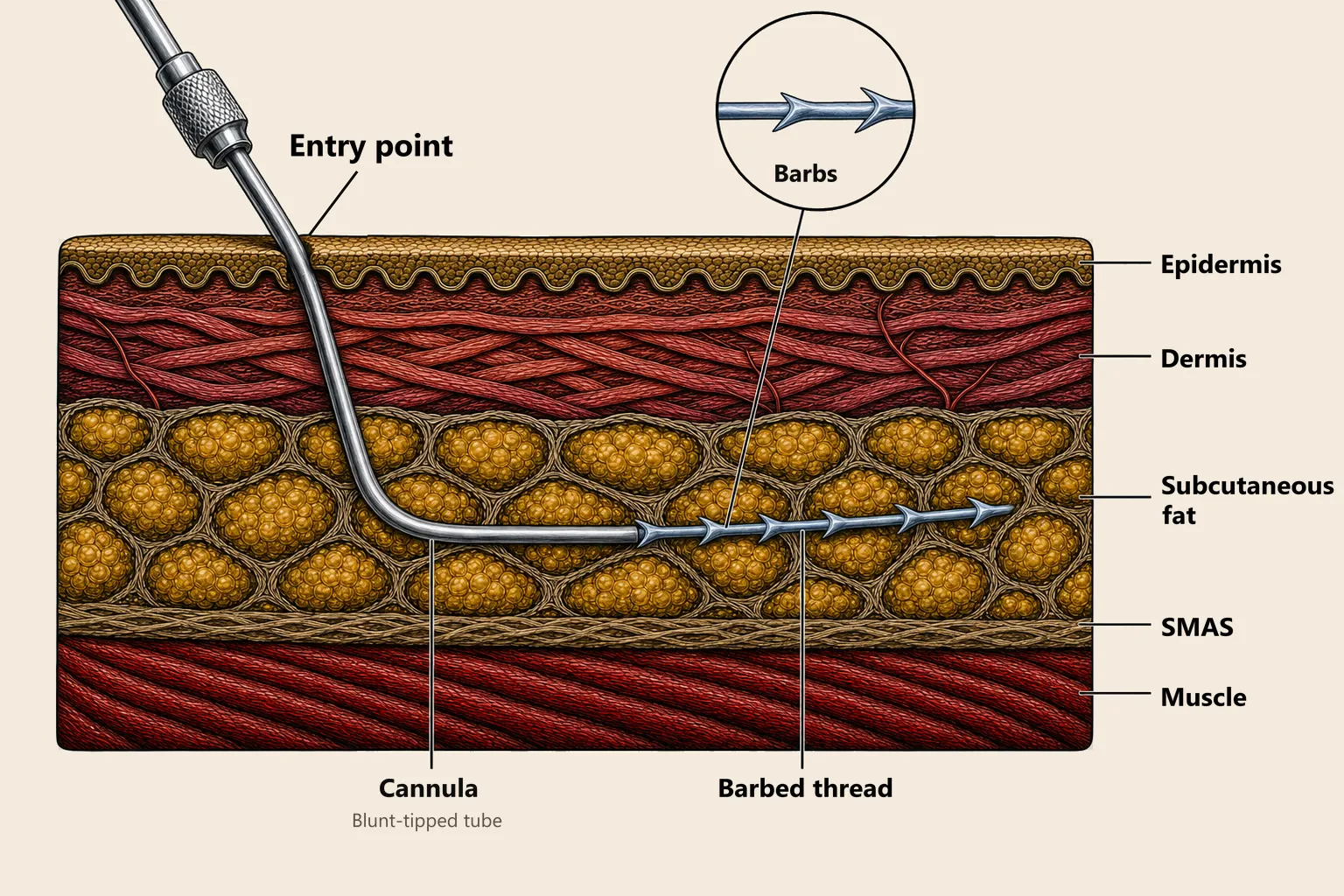
▲ The tube goes in through a single small entry point, and the thread is laid along its path — no incision is made with a scalpel
6. Anchoring and lifting When the tube is withdrawn and the end of the thread is pulled in the planned direction, the tissue caught on the barbs moves upward.
7. Finishing Any excess thread is trimmed just beneath the skin so the end sits inside. That leaves only a small entry mark on the surface, which tends to be hard to notice once it has healed.
It feels less like sharp pain and more like a heavy foreign-body sensation as the thread pushes in under the skin, along with a sore, pulling feeling as the tissue is drawn upward.
Recovery, Expected Reactions, and Precautions
Recovery: Along with swelling and bruising, you may have soreness, throbbing, and a pulling feeling for a few days.
Aftercare instructions
- While swelling and bruising settle, avoid making big facial expressions or massaging the treated area — this keeps the barbs from being pushed out of place before they settle into the tissue
- Heat-based lifting such as radiofrequency (RF) or ultrasound: from about 2 months after treatment (or later, once any foreign-body feeling or swelling has gone) — heat can weaken the threads or affect the tissue around them
Reported side effects: Reported side effects include the skin dimpling inward or showing pull marks (dimpling), a thread showing through or being felt under the skin, a thread poking through the skin (extrusion) or working its way out (expulsion), a thread poking through on the inside of the mouth, the thread moving out of position (migration), infection, and granuloma (a small lump formed when inflammatory cells cluster around the thread). Among the side effects that need correcting, dimpling is the most common. Other reactions are uncommon, but everyone responds differently — if a reaction lasts longer than expected or becomes more noticeable, contact us and we'll check it with you.
When to contact us right away Contact us right away if you can feel the end of a thread or feel it poking out, or if swelling, warmth, or pain keeps increasing. If a thread pokes out or shifts, or an infection develops, the sooner it is addressed, the better the chance of keeping it from becoming a bigger problem.
When we do not perform this treatment
- Pregnancy, possible pregnancy, or breastfeeding
When we postpone treatment
- Inflammation, a wound, or a skin condition at the treatment area — germs could enter along the path the thread takes, so we proceed once the skin has settled
What to tell us in advance
- Blood-thinning medications such as aspirin or anticoagulants, or a tendency for bleeding to be slow to stop — you may bruise more
- Keloid-prone skin (scars that heal raised and thickened) — the entry points may heal raised
- Facial implants, or a history of thread lifts or surgery — these affect the path the thread will take
- Allergy to anesthetics — because the treatment uses a numbing spray
- Other recent treatments — if you've had filler, a skin booster, another lifting treatment, or similar treatments, let us know at your consultation
- Whether to have another treatment on the same day is decided together after your assessment
How PECHE Clinic Does It
We follow standards built from more than 90,000 treatments performed across the clinic. From more than 90,000 treatments performed across PECHE Clinic, we have built standards for each area and skin condition, and the same standards apply whichever PECHE physician treats you. With the I-Thread Lift, those standards determine where the threads go, which direction they pull, and how many threads are used.
A physician personally reviews your assessment results before we begin. A physician reviews the facial contours and left–right balance captured by 3D MetaVu imaging and checks your face once more right before treatment. The direction and degree of sagging differ from person to person and are judged by a physician examining your face in person, so thread placement differs even with the same I-Thread Lift. Before we start, we tell you the name of the physician treating you.
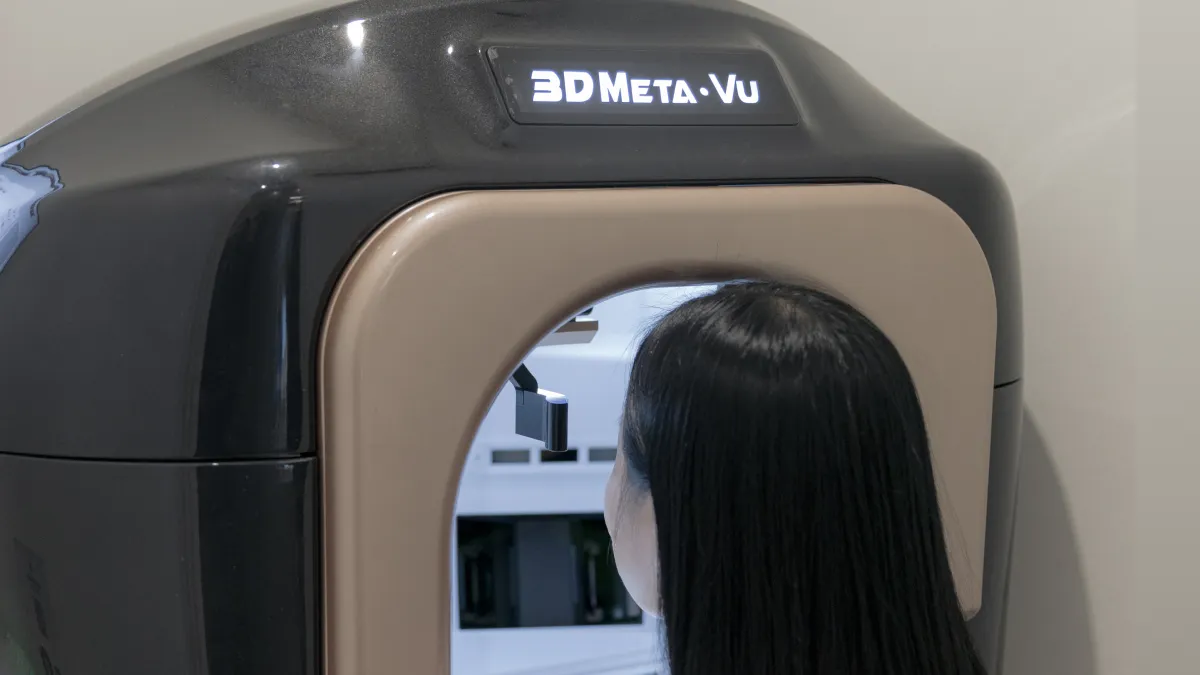
▲ We review your imaging results together
We keep the preparation area in view behind a full glass wall. Treatment preparation takes place in an open-kitchen-style preparation area behind a full glass wall, so from the waiting area you can see the preparation process and hygiene practices for yourself.
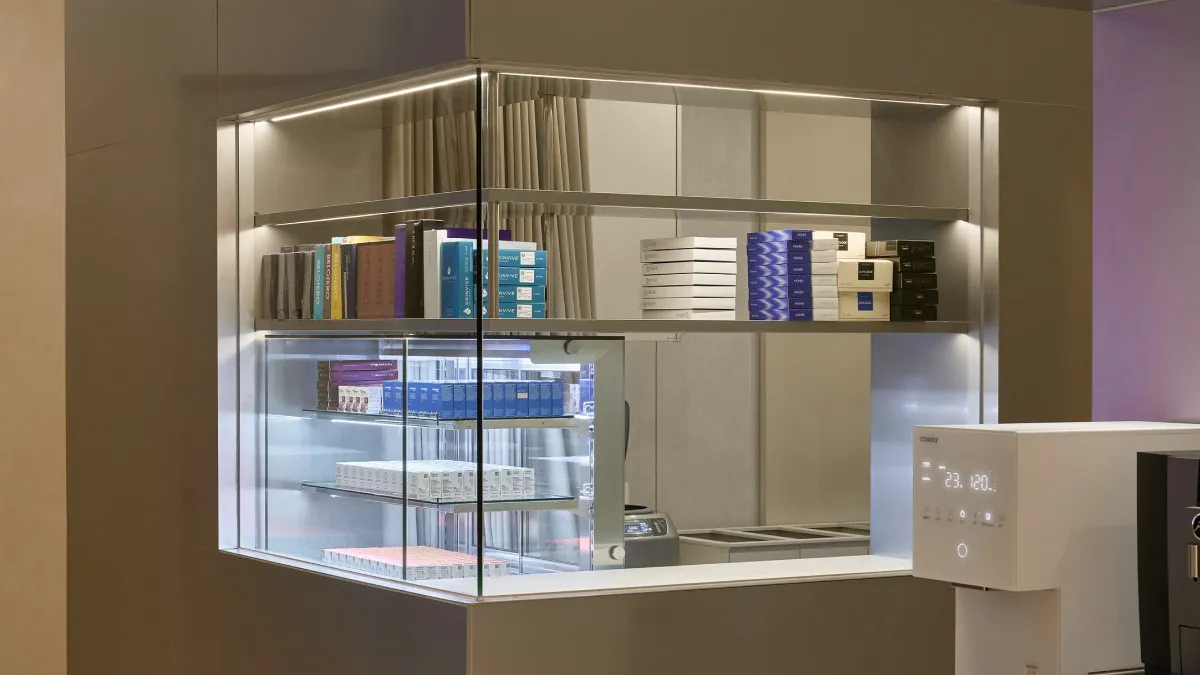
▲ The treatment preparation area, seen through the glass wall from the waiting area
We recommend only the treatments your assessment results call for. We start by checking whether a pulling approach suits your face. We tell you first what this treatment can do (moving sagging tissue into a new position) and what it can't (filling hollow volume, or addressing skin texture, fine lines, or pigmentation). You're welcome to come in just for a consultation and leave.
Pricing
Prices for I-Thread Lift are published on our website for every product option. Whichever country you're visiting from and whichever channel you book through, the price is the same as the one published on our website — so there's no need to compare prices from one booking channel to another. Making sure you can come in trusting the price you checked in advance — that is the trust PECHE Clinic puts first.
The I-Thread Lift comes in 1, 4, 6, 8, and 10 threads, and we decide on the option you need together after your assessment.
Location and Clinic Hours
PECHE Clinic 3F, 364 Gangnam-daero, Gangnam-gu, Seoul Right outside Gangnam Station Exit 4 — the building entrance is right in front of you as you come out
Clinic Hours (Korea Standard Time, KST)
- Monday–Friday: 10:30 AM – 9:00 PM
- Saturday, Sunday, and public holidays: 10:00 AM – 6:00 PM
- No lunch break — we see patients straight through midday
FAQ
Q1. Who performs the I-Thread Lift? A: Before treatment, we first let you know the name of the physician treating you, and that physician personally reviews your assessment results and the condition of your face before starting. Where the threads go and which direction they pull follow standards built from more than 90,000 treatments performed across the clinic, so the same standards apply even if a different physician treats you.
Q2. Why do I feel a pulling sensation after treatment? A: The barbs have caught the sagging tissue and are holding it in a lifted position, so you may feel soreness and a pulling sensation while the thread and tissue settle into place. It usually eases over a few days.
Q3. If the threads dissolve, does the effect end the moment they do? A: No. While the thread dissolves, a collagen structure of your own forms around it, so it continues to support the tissue for a while even after the thread is gone.
Q4. Can pulling with threads fill in hollow cheeks too? A: No. Pulling threads lift sagging tissue; they don't fill hollow areas. If you have both sagging and hollowness, we decide together, based on your assessment results, how to divide the work between the two approaches.
Q5. How is the number of threads decided? A: A physician examines your face in person and looks at it together with your assessment results to see where the sagging is, in which direction, and how much. The wider the sagging area, the more threads; the narrower, the fewer. We recommend only the number of threads your assessment results call for.